


When you’re planning a new build or renovation anywhere in New Zealand, understanding the GIB stopping cost NZ homeowners typically pay helps you budget properly from the start. Stopping is one of those stages that doesn’t get much attention — until it’s done badly.
Smooth, crack-free walls don’t happen by accident. They’re the result of proper preparation, skilled workmanship, and enough time spent on each coat. Cutting corners during stopping often leads to visible joints, hairline cracks, and uneven paint finishes later on.
At IDW, we focus on delivering professional GIB stopping services across NZ that balance cost, durability, and presentation. This guide explains what affects pricing, what you should expect, and how to make the right decision for your property.
What Is GIB Stopping and Why It Matters
GIB stopping is the finishing stage applied to plasterboard after installation. It involves reinforcing joins, covering screw fixings, applying plaster compound in layers, sanding smooth, and preparing surfaces for painting.
In New Zealand homes, where timber framing naturally expands and contracts with seasonal changes, correct stopping is essential. If joints are not reinforced properly or coats are rushed, cracks can appear within months.
Good stopping achieves three things:
Smooth, seamless walls and ceilings
Long-term crack resistance
A clean, professional paint finish
Without proper stopping, even high-end paint will highlight surface imperfections.
How Much Does GIB Stopping Cost in NZ?
One of the most common questions homeowners ask is: how much does GIB stopping cost?
There isn’t a single fixed answer, because pricing depends on multiple factors. However, understanding what influences the cost will help you avoid unrealistic quotes.
1. Size of the Project
The total square metre area has the biggest impact on cost. A single bedroom will cost significantly less than a full-house interior.
Larger projects often provide better per-square-metre value because setup and preparation are spread across more area.
2. New Build vs Renovation Work
New builds are generally more straightforward. The plasterboard is freshly installed and usually aligned properly.
Renovations may require:
Crack repairs
Patchwork from electrical or plumbing changes
Fixing uneven surfaces
Blending new and existing walls
This additional preparation can increase overall labour time and influence the final plastering cost NZ homeowners should expect.
3. Level of Finish Required
Not all finishes are the same. Some projects require a standard paint-ready surface. Others demand a higher-level decorative finish that looks flawless under LED lighting.
Higher finishes require:
Extra coats of compound
More detailed sanding
Additional inspection and touch-ups
The more refined the finish, the more time is involved.
4. Ceilings and Difficult Areas
Ceilings take more time than walls due to overhead work. High ceilings, stairwells, and bulkheads also increase complexity.
Complex architectural designs require more precision and therefore affect pricing.
5. Surface Condition
If plasterboard installation was not completed correctly, extra preparation may be required before stopping begins. Uneven joins or exposed fasteners add time to the process.
Average GIB Stopping Cost NZ – What to Expect
While prices vary across New Zealand depending on region and project size, most professional quotes are calculated either:
Per square metre
Per room
Or as a full project quote
Rather than focusing only on numbers, it’s important to compare:
Number of coats included
Drying time between coats
Sanding quality
Crack reinforcement methods
Whether ceilings are included
A very low quote often means fewer coats or rushed drying times — which can lead to visible shrinkage cracks later.
Plastering Cost NZ – What’s Included in a Professional Service?
When reviewing plastering cost NZ estimates, a professional GIB stopping service should include:
Taping and reinforcing all joints
Filling screw and fixing holes
Multiple layers of compound
Proper drying time between applications
Sanding to a smooth finish
Preparation ready for painting
Some providers exclude sanding or charge extra for ceilings. Always confirm exactly what is covered.
Why Proper GIB Stopping Protects Your Investment
Your walls and ceilings are one of the largest visible surfaces inside your home. Any imperfections become noticeable under natural light and modern lighting fixtures.
Poor stopping can lead to:
Visible join lines
Hairline cracks
Uneven paint absorption
Reduced property value
On the other hand, professionally finished surfaces improve overall presentation and resale appeal.
Investing in proper workmanship once is usually more cost-effective than repairing poor-quality work later.
How Long Does GIB Stopping Take?
Timeframes depend on the size and complexity of the job.
Small room: typically 1–2 days
Standard home interior: several days
Large or complex property: one to two weeks
Drying time between coats is essential. Rushing this stage may save a day but often leads to cracks as the compound shrinks.
DIY vs Professional GIB Stopping
While DIY patch repairs can be manageable, full-room or whole-house stopping requires skill and experience.
Common DIY issues include:
Uneven sanding marks
Visible seams after painting
Poorly blended corners
Reappearing cracks
Professional stoppers understand correct compound application, reinforcement techniques, and NZ building movement patterns.
How Much Should Gib Stopping Cost For Just Walls
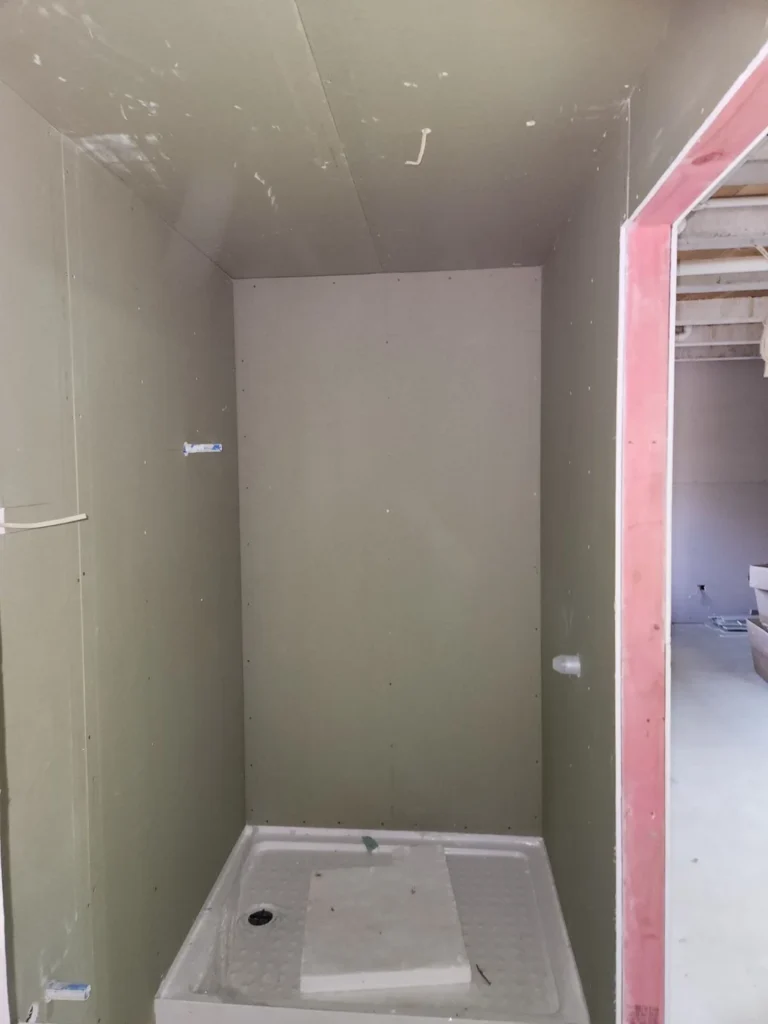
Gib stopping done for just walls 2.4m in height. 2 6mx4m rooms what should you expect? All new gib board fixed correctly.
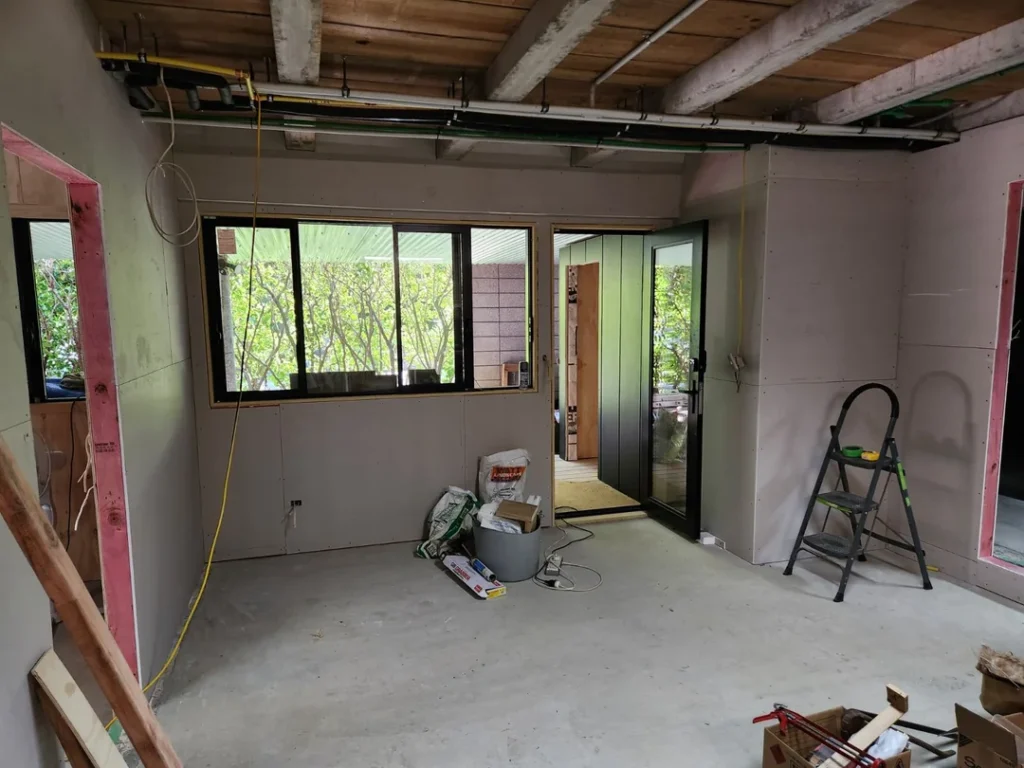
The cost of GIB stopping can vary depending on your location, the experience of the plasterer, the quality of the finish, and the company’s reputation. It’s always a good idea to get quotes from a few local GIB stopping professionals so you can compare pricing and workmanship.
While it may be tempting to choose the cheapest quote, extremely low prices can sometimes lead to poor-quality finishes, delays, or unreliable service. Instead, look for a qualified, experienced, and accountable tradesperson who takes pride in their work and offers clear communication throughout the project.
For added peace of mind, avoid paying the full amount upfront. A reasonable deposit, with the remaining balance paid once the work has been completed to a satisfactory standard, is generally the safest approach.
Why IDW Is a Reliable Choice Across New Zealand
At IDW, we understand that cost matters — but so does quality. Our goal is to provide strong value, not simply the lowest price.
We focus on:
Transparent pricing
Efficient scheduling
Skilled workmanship
Long-lasting finishes
Clean and tidy worksites
By working systematically and using proven techniques, we deliver durable results while keeping projects within budget.
We service residential and renovation projects across New Zealand, ensuring consistent standards wherever the job is located.
Frequently Asked Questions
How much does GIB stopping cost per square metre in NZ?
Costs vary depending on size, finish level, and condition of surfaces. A proper assessment ensures accurate pricing.
Why do quotes vary so much between companies?
Different providers may include different numbers of coats, preparation levels, and finish standards.
Is plastering cost NZ higher for ceilings?
Yes, ceiling stopping usually costs more due to overhead labour and added complexity.
Can cracks return after stopping?
If stopping is rushed or reinforcement is poor, cracks may reappear. Proper technique reduces this risk significantly.
Is professional stopping worth the cost?
Yes. Professional workmanship ensures smooth finishes and prevents expensive rework later.
Get an Accurate GIB Stopping Cost NZ Quote
If you’re building, renovating, or repairing interior walls, understanding the real gib stopping cost nz helps you plan confidently.
At IDW, we provide detailed, transparent quotes tailored to your specific project. No vague estimates. No hidden charges. Just clear pricing and professional results.
Visit idw.co.nz to request a consultation and receive reliable guidance for your next project.
